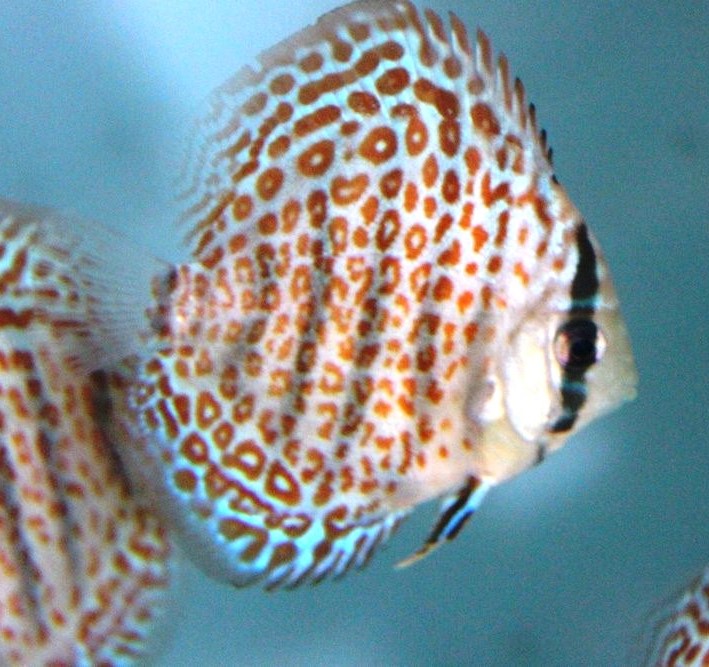
To ensure your baby discus thrive during the “growing out” phase after the first month, here are the key steps, incorporating and building upon the information you’ve already outlined:
Growing Out the Baby Discus
Once your discus fry reach approximately ½ inch in size (around one month old) and are exclusively eating baby brine shrimp, you are in the growing-out stage. The goal now shifts from protective nurturing to maximizing growth through high-quality nutrition and pristine water conditions.
1. Transitioning Diet
- From Brine Shrimp to Solid Foods: Continue feeding live baby brine shrimp for a few more weeks as they are an excellent, high-protein food source. Gradually introduce finely crushed, high-quality flake food or a specialized commercial discus granular food.
- Frequency: Feed small amounts frequently—ideally 5 to 6 times per day. Young discus have high metabolisms and require constant nutrition to grow quickly.
- Variety: Introduce variety with a quality frozen mix (like a beef heart blend, mysis shrimp, or bloodworms) finely minced. A varied diet ensures they receive all necessary nutrients.
2. Water Management (The “Growing Out” Key)
Water quality becomes paramount for rapid, healthy growth.
- Daily Water Changes are Crucial: You correctly noted the sensitivity of young fry to ammonia. As they grow and eat more, they produce significantly more waste. Daily partial water changes (50% or more) are mandatory. Strive for water parameters as close to ideal as possible.
- Temperature Control: While they are hardier now, maintaining stable water temperature (around 82°F to 86°F or 28°C to 30°C) is essential. Continue to ensure that any replacement water is exactly the same temperature as the tank water to prevent shock.
- Filtration Upgrade: The gentle sponge filter used for the tiny fry can now be supplemented or replaced. Once the babies are clearly strong swimmers and growing, you can introduce a gentle hang-on-back filter or a canister filter, provided the intake is covered with a sponge to protect any smaller or weaker fish.
3. Culling (Selection)
As the fish grow, you may notice some developing faster than others or exhibiting deformities. Most serious breeders will “cull” (remove) the runts or those with visible flaws to focus resources on the strongest, healthiest specimens that best represent the breed standard. This helps maintain the overall quality of your stock.
4. Tank Size
As the young discus grow from ½ inch to 1 inch and beyond, they will quickly outgrow their initial breeding tank. They need ample space to grow without being stunted. Plan to move them to a larger “grow-out” tank (a 40-gallon breeder tank is a common choice for a batch of juveniles) that allows plenty of vertical swimming room.
By maintaining impeccable water quality and providing constant, high-protein food, you can successfully grow your naturally raised discus fry into healthy, vibrant adult fish.